Development scope
Specify deliverables, responsibilities, charges and the information required from each side.
Have a defined design ready to develop, or need help shaping the product? ZIKOSWIM works with swimwear brands to clarify the design input, development support and approvals needed for each project.

OEM generally starts with a buyer-defined design. ODM involves a greater manufacturer contribution to the product’s design and development. In practice, a project can contain elements of both. Agree what is already specified, what needs to be developed and who approves each decision.
OEM swimwear is a suitable starting point when your brand has defined the intended product and needs a manufacturer to turn that design into a sample and bulk order.
You provide the design direction and product requirements. The development discussion focuses on interpreting the brief, checking construction and materials, and resolving practical details.
A tech pack or detailed design brief, measurements, construction references and material preferences.
Pattern and sample development, material sourcing, feasibility and any changes needed to make the design workable.
The sample, specifications, material selections and documented changes before bulk production.
Example brief: “We have the design, size chart and fabric requirements for three bikini styles. We need samples developed for review before ordering.”
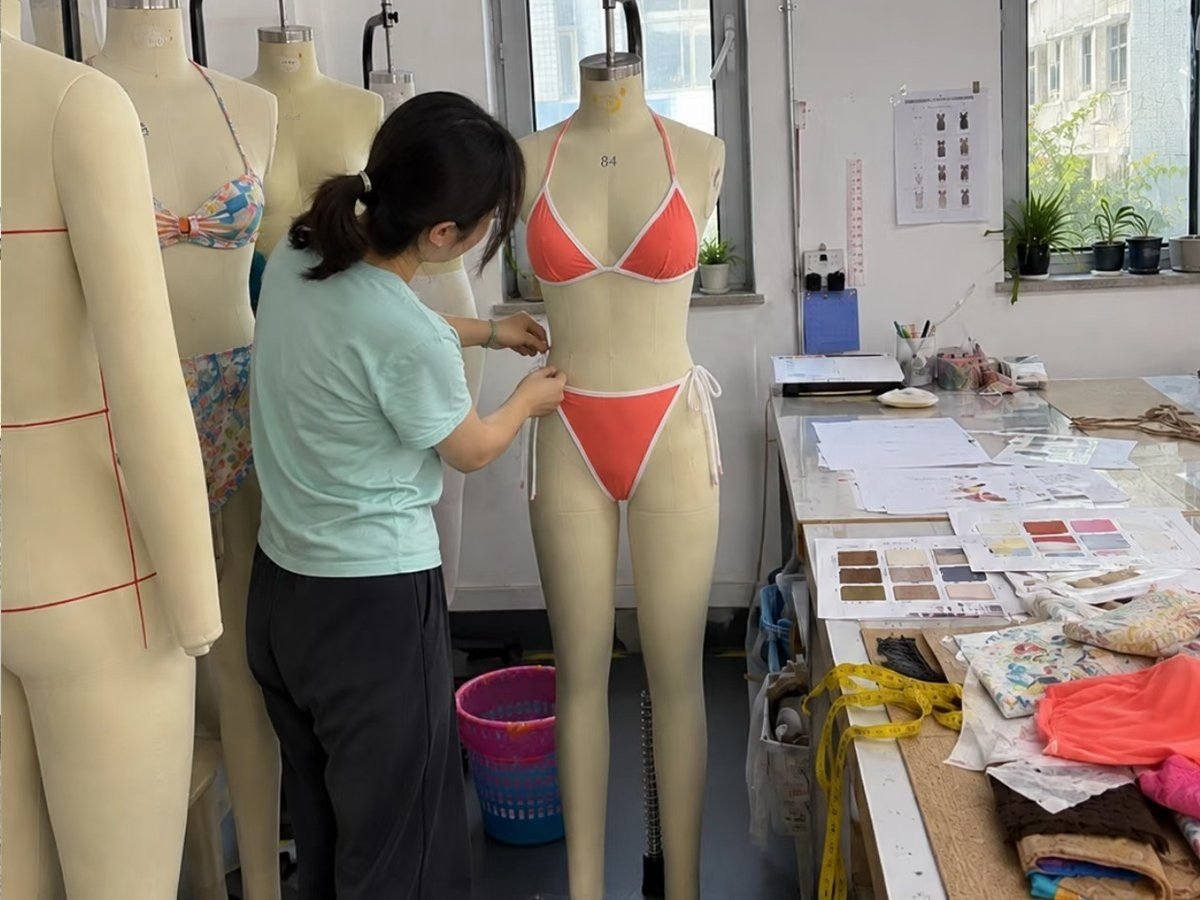
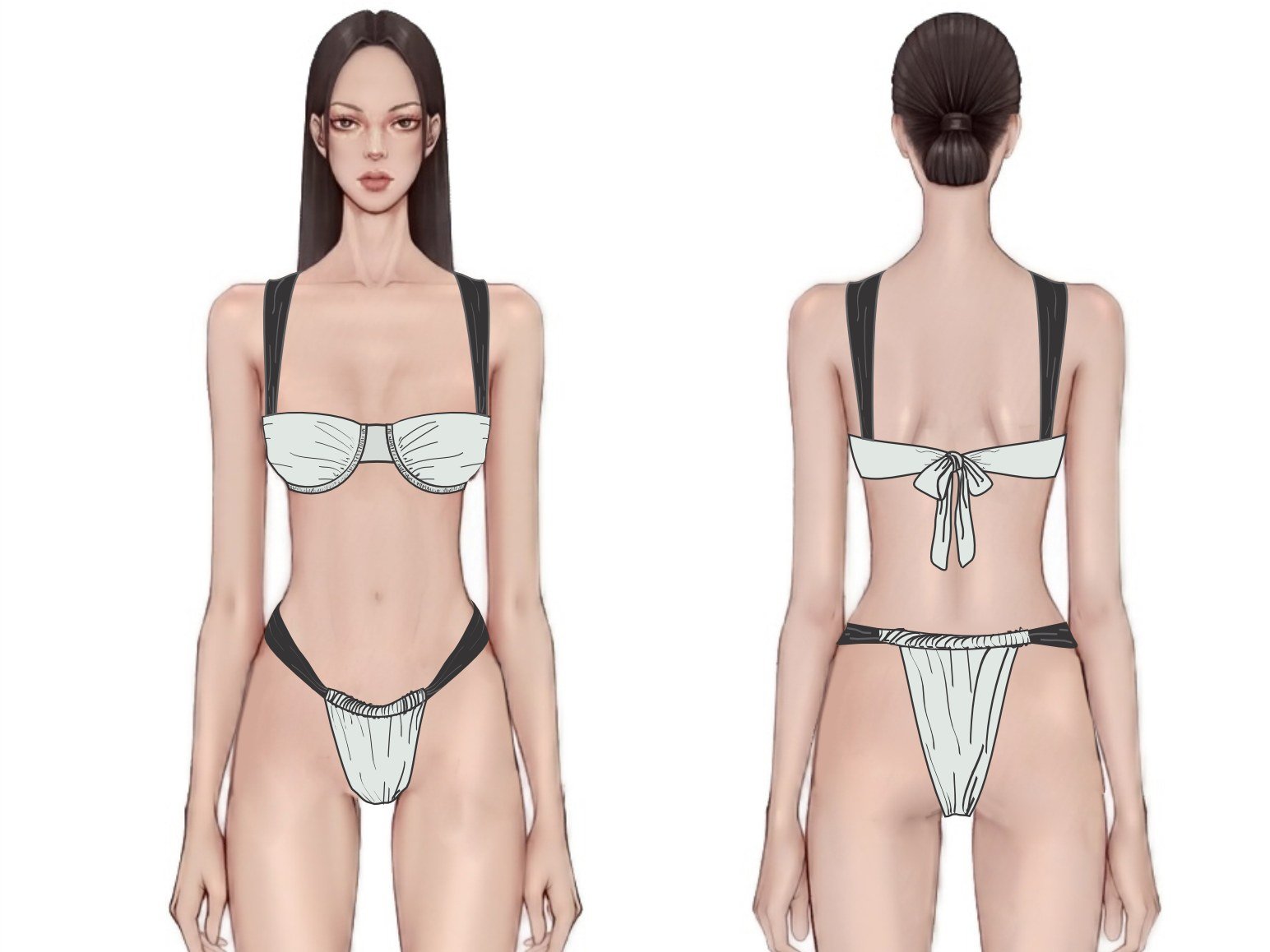
ODM is relevant when your brand has a target customer and product direction, but needs more input to define the design and its technical details.
Discuss the support required to resolve silhouette, fit, materials and construction. The available development scope and deliverables should be agreed before work begins.
Product references, target customers, preferred coverage and fit, material direction and collection priorities.
The design and technical input required, feasible options, development stages and sample requirements.
The proposed product direction, agreed specifications and sample before the range moves into production.
Example brief: “We want a coordinated resort collection and have visual references. We need support defining the silhouettes, fit and materials.”
Compare the starting points, then confirm the actual scope for your collection.
| PROJECT DETAIL | OEM | ODM |
|---|---|---|
| Design starting point | Your brand defines the product design and intended result. | Your brand supplies a direction; the manufacturer contributes more design and development input. |
| Useful buyer inputs | Tech pack, drawings, size chart, construction details and material specifications. | Product references, target customer, fit preferences, colour and material direction. |
| Development focus | Translate the brief into patterns and samples; clarify feasibility and missing technical details. | Define the product and resolve design and technical choices before sample approval. |
| Best suited to | Brands with a defined design, technical support or an existing product specification. | Brands that need additional product development input, including established brands exploring a new category. |
| Buyer decisions | Approve any changes to the original brief, the final specifications and the sample. | Approve the proposed direction, development choices, final specifications and the sample. |
| Costs & timing | Depend on brief completeness, materials, construction and sample revisions. | Also reflect the additional design work and decisions required to define the product. |
| Rights & exclusivity | Confirm file ownership, permitted use and any exclusivity in the project agreement. | Confirm ownership and use of contributed designs, patterns and artwork in the project agreement. |
OEM and ODM describe development arrangements. Private label describes selling under your own brand and can overlap with either route. Read about private label swimwear for labels, branding and packaging.
Select your starting point to see the information that will help frame a productive development discussion.
Show what is fixed and identify the areas where you need manufacturing or development feedback.
Selected: defined design.
Whichever route you choose, key decisions should be recorded before your collection moves to the next stage.
Specify deliverables, responsibilities, charges and the information required from each side.
Confirm fit direction, materials, construction and any proposed design changes.
Review the sample against the brief and consolidate feedback into a clear revision list.
Confirm the approved sample and specifications, including labels and packing requirements.
Answers to common questions about development roles and production arrangements.
OEM generally begins with a buyer-defined product design. ODM involves a greater design and development contribution from the manufacturer. The practical difference is the work each side contributes; agree the scope, deliverables and approvals for your specific project.
Not necessarily. A brand can define the design while asking the manufacturer to develop the pattern and sample. Explain what you already have and confirm whether pattern development, grading and revisions are included in the agreed work.
No. An established brand may need additional support when entering a new category or developing an unfamiliar construction. Choose the route based on the product information and development support required, rather than the age of your business.
Yes. You may have defined designs for some styles and need more design input for others. Identify the required work by style and agree the responsibilities, charges and approval stages for each part of the collection.
Not always. ODM describes a manufacturer’s design and development contribution. If you want an existing style or base pattern, ask about current availability and permitted changes. Catalogue access, stock availability and design exclusivity should be confirmed for the project.
There is no automatic cost or timing advantage. A suitable existing starting point can reduce some development work, while an unresolved design may need additional decisions and revisions. Compare quotations based on the same scope, materials and approval requirements.
Ownership and permitted use depend on your agreement. Clarify the treatment of buyer-supplied files, newly developed designs, patterns and artwork, as well as any confidentiality or exclusivity requirements, before development begins.
Both routes can be used for an own-brand collection, subject to the agreed rights and product scope. Brand labels, care labels, hangtags and packaging should be specified separately as part of the order.
Share your design documents or references, the target customer and fit, preferred materials, planned quantities and target dates. Explain the decisions already made and the areas where you need support. This helps define the work rather than assigning a label too early.
Share your designs, quantities and project requirements. We’ll help clarify the next steps.
The link may be out of date, or the page has been retired. Nothing is lost — the collection, the services and the people who make them are all still one click away.
Prefer to ask? Write to our team — we reply in one working day.